A river that built cities, borders, and identities
From Roman frontiers to modern riverfronts, the Danube in Hungary is both a historic witness and a daily lifeline.
Table of Contents
From Roman frontier to Hungarian heartland
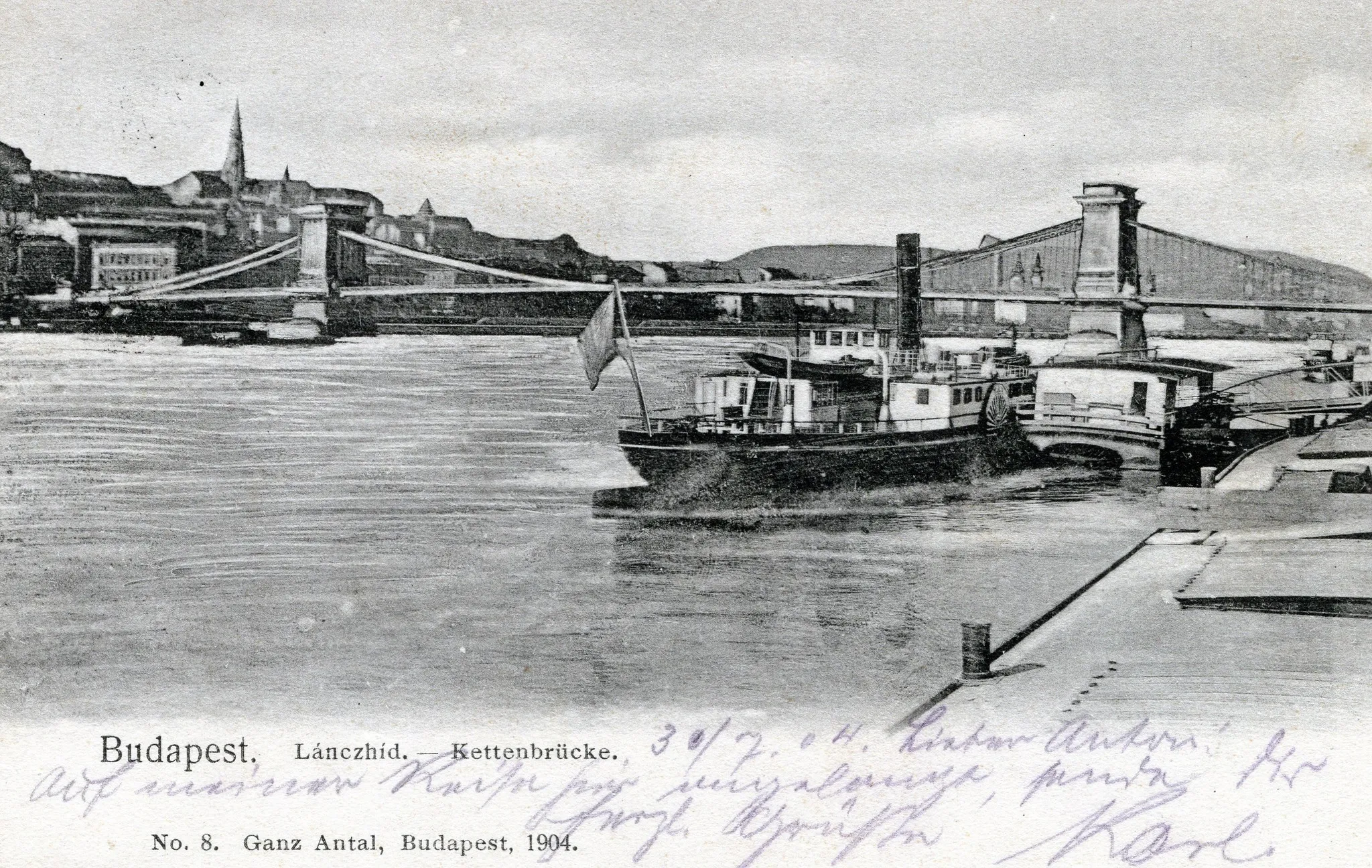
Long before modern cruise boats traced smooth lines through Budapest, the Danube was already a strategic frontier and a cultural highway. In Roman times, the river marked parts of the imperial border, known as the limes, with military outposts and settlements watching movement across the water. Centuries later, Magyar communities, medieval kingdoms, and trading guilds transformed the same corridor into a connective route linking farms, workshops, towns, and royal centers. What appears today as a peaceful sightseeing river was historically a place of defense, diplomacy, and commerce where identities were negotiated generation after generation.
As political maps shifted across Central Europe, the Danube remained a constant reference point in daily life. Grain, timber, stone, wine, and ideas moved on its current, while new languages and faith communities settled on its banks. By the early modern period, river transport and market exchange had become deeply embedded in local economies. This long continuity helps explain why cruising in Hungary feels layered: you are not simply looking at monuments from the deck, you are floating through a corridor that repeatedly shaped the country's social memory, economic survival, and cultural imagination.
Budapest and the river between Buda and Pest
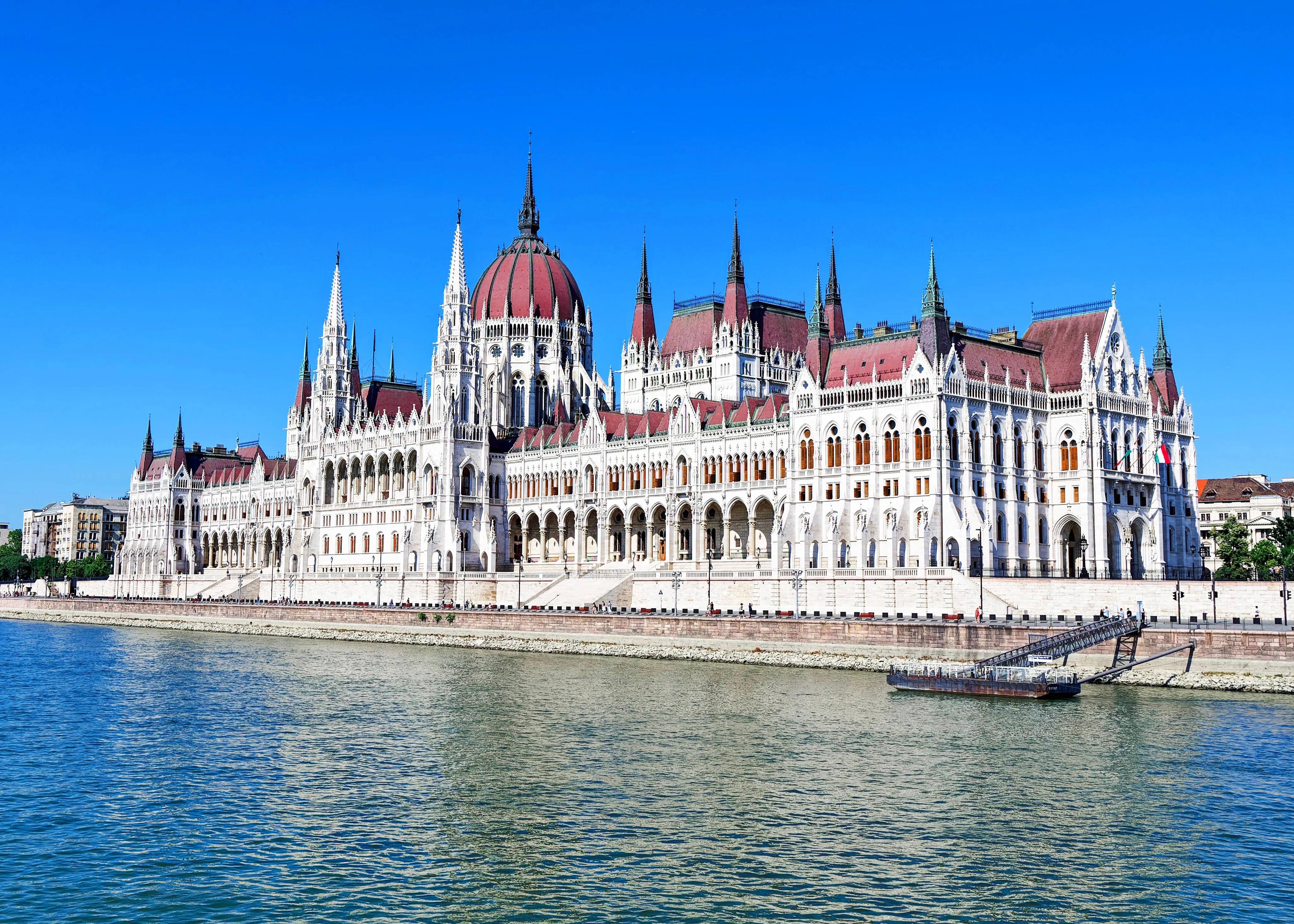
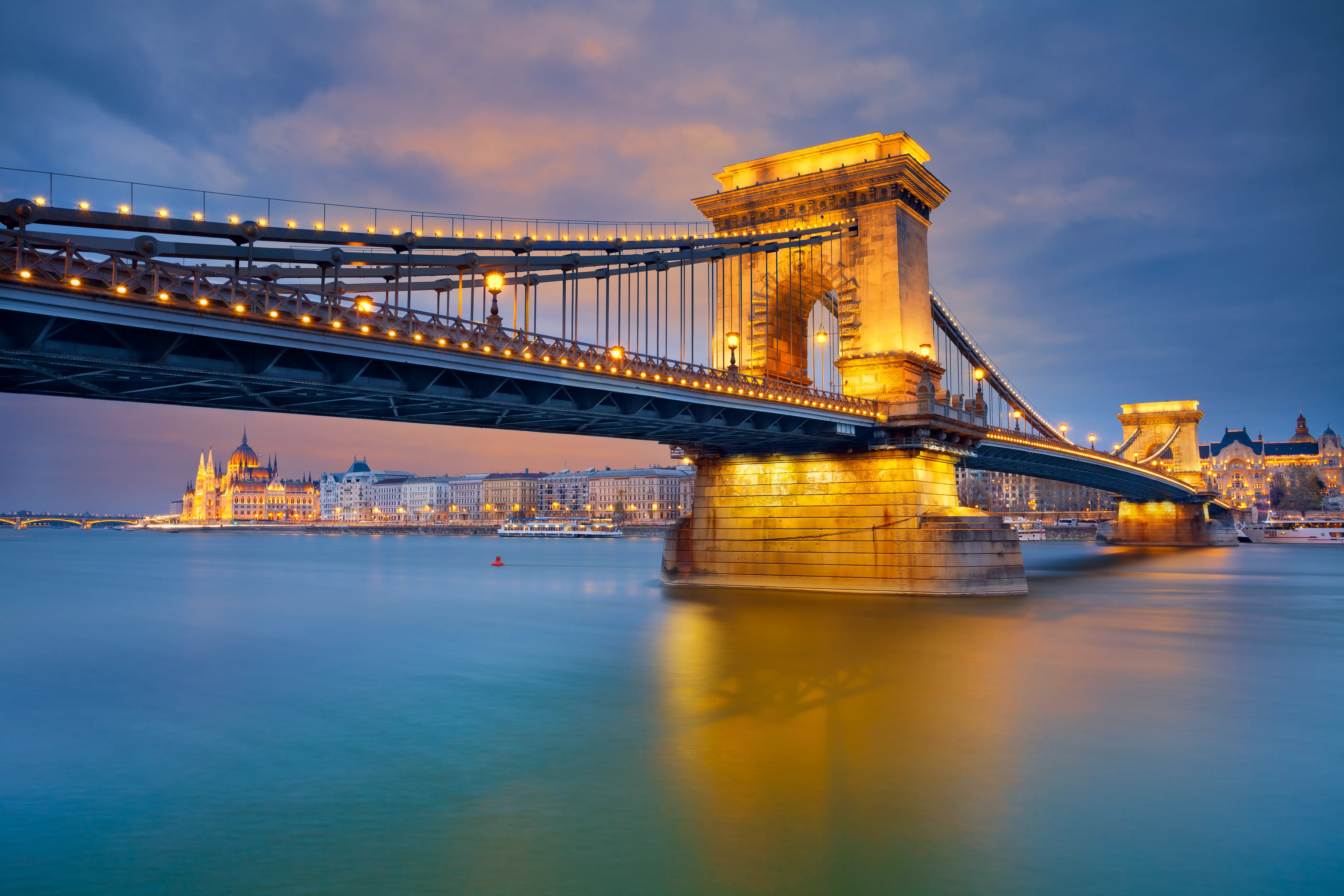
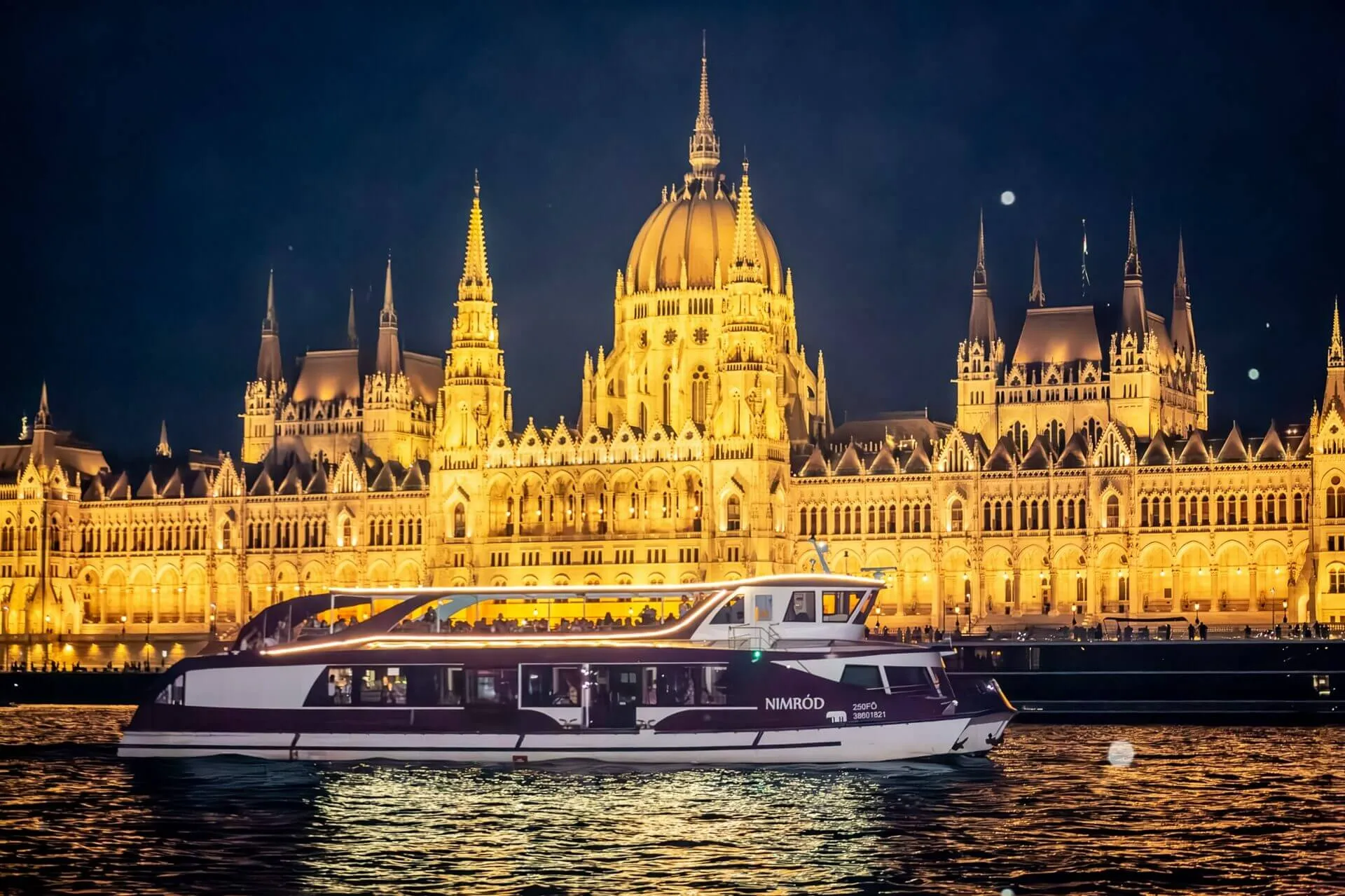
Budapest exists because of the Danube, and from the water this relationship becomes obvious in minutes. On one bank, Pest stretches flatter and more administrative, with grand facades including the Parliament that seem designed to mirror in evening light. On the other bank, Buda rises in terraces toward Castle Hill, church spires, and residential quarters that reveal older topography. The bridges between them are not merely transport links; they are visual punctuation marks that define the city's rhythm. The Chain Bridge, in particular, is both engineering symbol and emotional landmark, connecting narratives of modernization, resilience, and national pride.
During a cruise, these elements appear as a coherent panorama rather than separate attractions. You notice how embankments were reshaped in the nineteenth century, how tram lines hug the river's edge, and how postwar reconstruction still coexists with imperial-era ambition. The shift from daylight to dusk adds another chapter: architectural details soften, bridge lighting turns theatrical, and the city feels both monumental and intimate. It is one reason Budapest night cruises are so popular, but even daytime reveals fascinating contrasts in texture, scale, and urban intent.
Trade, craft, and market life on the water
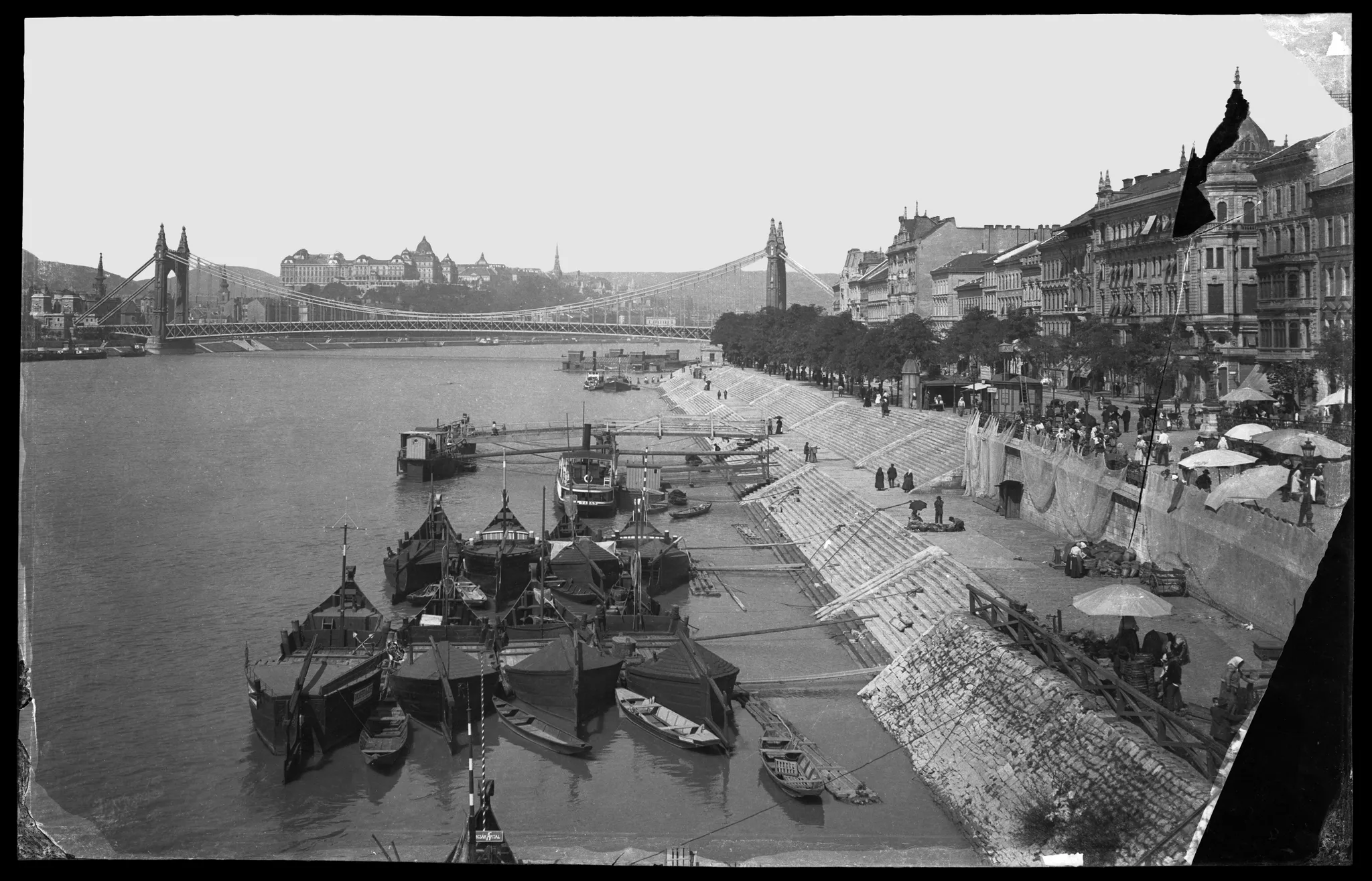
For centuries, river proximity meant economic opportunity. Wharves, warehouses, and market routes developed around predictable loading points, while seasonal water levels influenced everything from pricing to transport timing. Merchants tracked currents as carefully as calendars, and local producers relied on river movement to reach distant buyers. In Budapest, large market halls and river-adjacent boulevards still echo this legacy, even when their function has shifted from bulk trade to civic life, tourism, and gastronomy.
A modern cruise quietly restores that historic perspective. Instead of seeing isolated landmarks, you observe how neighborhoods align with former exchange zones, how bridges enabled distribution networks, and how waterfronts adapted from labor-intensive logistics to mixed cultural use. This continuity is one of the Danube's most interesting facts: the infrastructure changes, the cargo changes, the people and languages change, but the river remains a practical organizer of everyday urban life.
The Danube Bend: Szentendre, Visegrad, Esztergom
North of Budapest, the Danube curves into one of Hungary's most scenic regions, commonly known as the Danube Bend. Szentendre introduces a softer, artistic tone with baroque lanes, church towers, and galleries that blend local craft traditions with contemporary creativity. Visegrad, perched above dramatic slopes, recalls medieval political importance and royal ambition, while Esztergom dominates the skyline with its massive basilica, visible from far downriver as a clear symbol of historical and spiritual authority.
Cruising this section feels slower and more contemplative than central Budapest routes. Hills close in, forests frame the water, and settlements appear as distinct episodes along the current. Many visitors describe this part as the moment they understand Hungary beyond the capital: less ceremonial, more textured, and deeply tied to geography. If your itinerary includes stopovers, each town reveals a different face of the region, from artisan streets and riverside cafes to fortress viewpoints and monumental religious architecture.
Kings, fortresses, and imperial legacies
The Danube's strategic value made it a stage for dynastic ambition and military contest. Medieval Hungarian rulers used river-adjacent strongholds to secure movement, levy control, and project authority. Visegrad's citadel and neighboring castle complexes were not decorative additions to the landscape; they were functional instruments in a world where river navigation shaped diplomacy and conflict. Later imperial periods layered new administrative priorities onto older foundations, creating a patchwork of inherited institutions, reconstructed monuments, and shifting territorial narratives.
On a cruise, these historical layers become easier to read because perspective matters. From hilltops on land, you see isolated sites. From the river, you understand their logic as part of a chain of visibility, control, and communication. Even ruins start to make sense in relation to crossing points, natural bottlenecks, and fertile floodplains. One of the most compelling facts for history-minded visitors is that many present-day viewpoints were once tactical positions first and scenic locations only much later.
Modern river life: transport, tourism, and culture
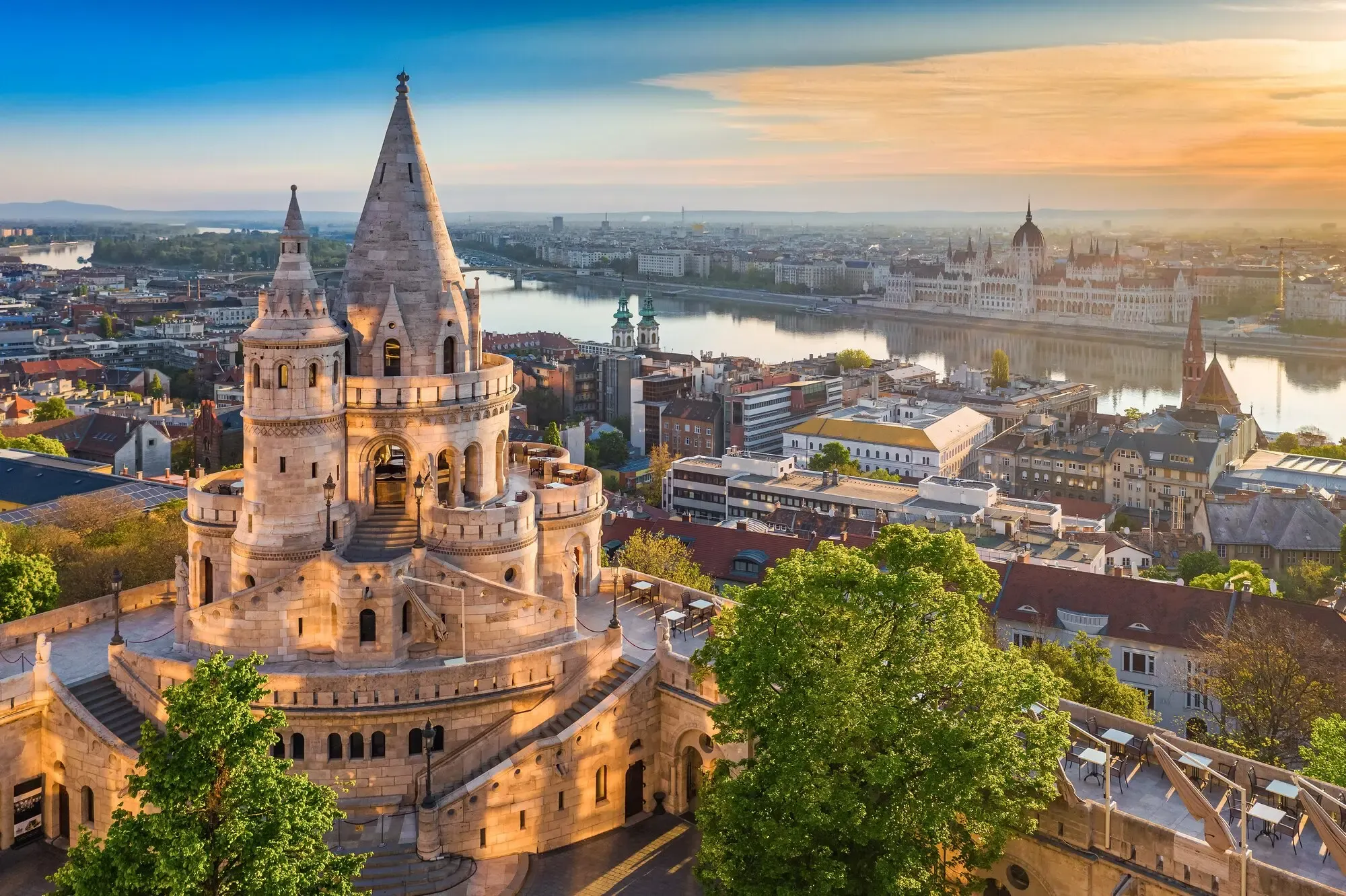
Today's Danube in Hungary is a multifunctional space where daily commuting, international shipping, leisure boating, and tourism coexist. In Budapest, riverbanks host joggers at dawn, commuters by tram, festival crowds on weekends, and cruise passengers throughout the day. This overlap gives the waterfront an energetic but authentic character: it is not an isolated attraction zone, but an active urban corridor where residents and visitors share the same edge of the city.
Cruise operators have adapted to modern expectations with varied formats, from short commentary-based routes to dining experiences with live music. At the same time, city planning increasingly balances commercial activity with public access and heritage protection. The result is dynamic and sometimes imperfect, but undeniably alive. Watching this from onboard offers a nuanced picture of contemporary Hungary, where tradition is visible, but never frozen.
Nature, islands, and seasonal rhythms
The river's mood changes strongly with the seasons, and that rhythm affects both scenery and cruise experience. Spring often brings fresh green banks and stronger currents. Summer adds long daylight and lively decks, though midday heat can be intense. Autumn delivers clear air and warm colors in the Danube Bend, while winter creates quieter panoramas with softer traffic and a more intimate atmosphere on shorter city routes.
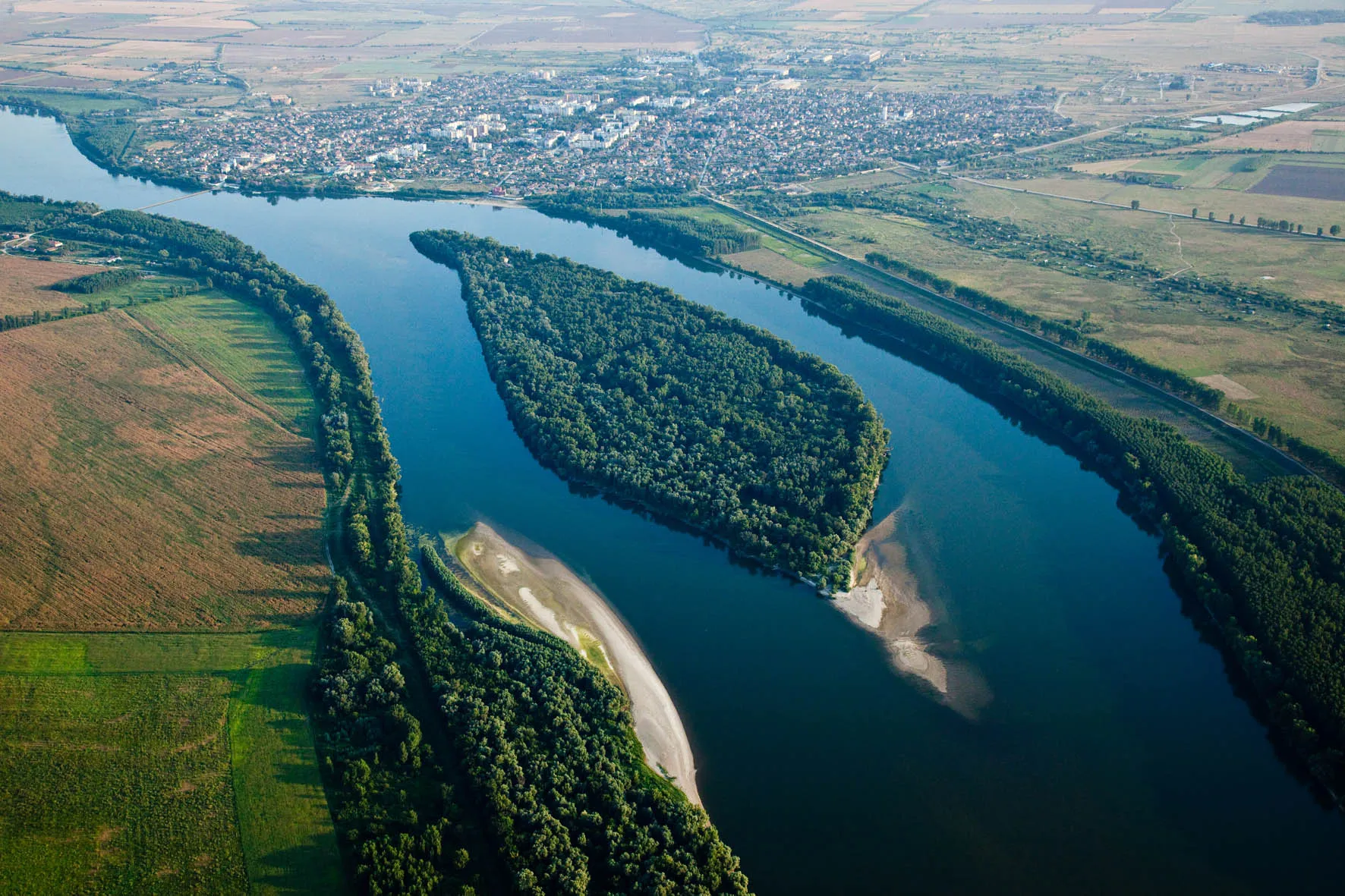
Within Budapest, islands and embankment parks provide ecological breathing space in a dense capital. Beyond the city, floodplains and wooded slopes support birdlife and seasonal biodiversity that many visitors do not expect from a major European river corridor. If you enjoy nature as much as architecture, planning around month and light can completely change your impression of the same route.
Crowds, safety, and accessibility on cruises
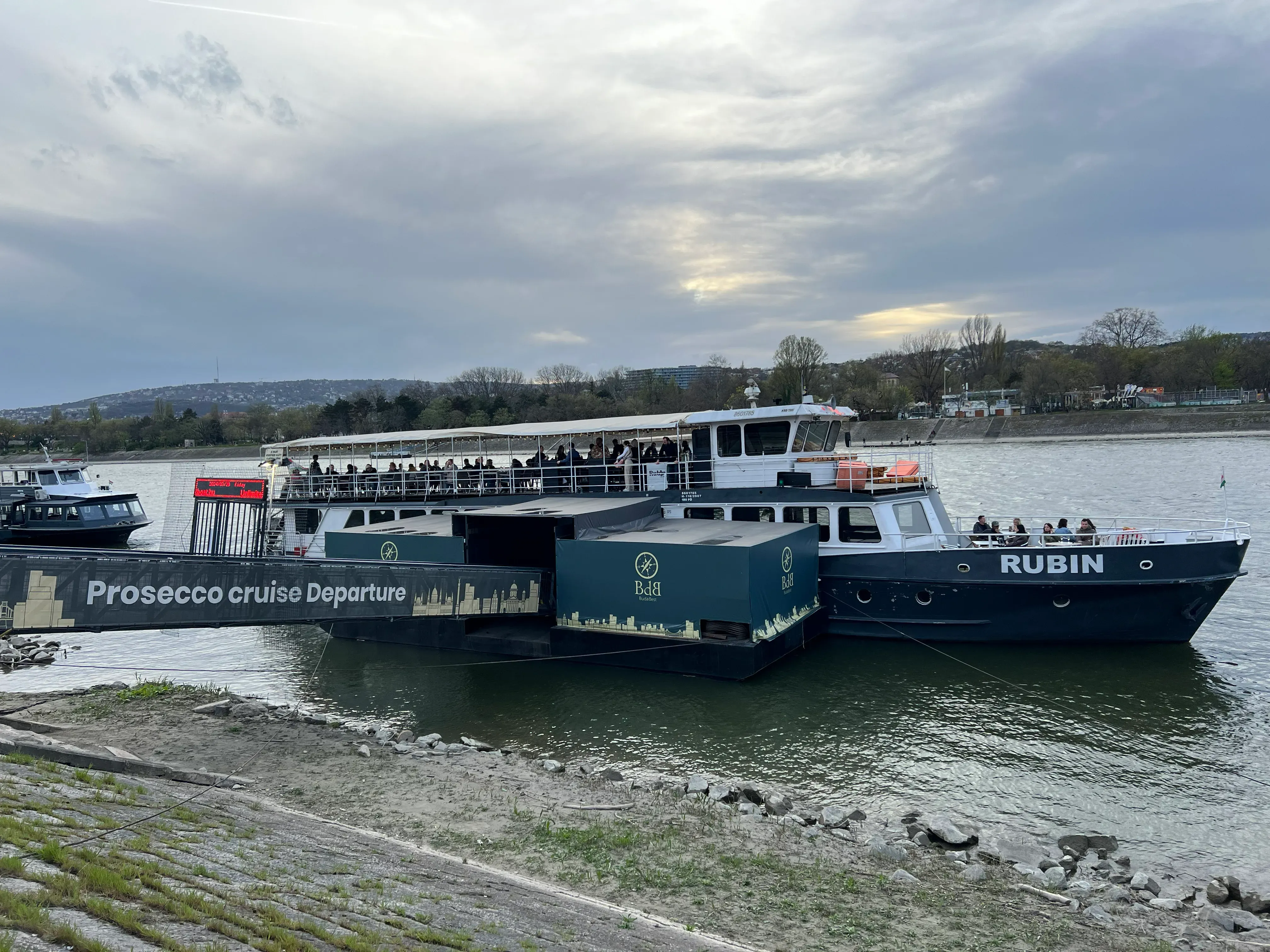
Hungary's Danube cruises are generally straightforward and visitor-friendly, but a few practical habits make the day smoother. Arrive early, confirm pier number, and keep your booking details easily available. On busy evenings, boarding lines can form quickly, and central quays may have several boats loading at once. Personal safety is usually simple common sense: use handrails on gangways, watch your step on wet surfaces, and secure phones and cameras on upper decks.
Accessibility varies more than first-time visitors expect, especially because vessel fleets and pier infrastructure are not uniform. Some operators provide excellent support and step-free options; others work with legacy conditions that include stairs or uneven boarding angles. Families with strollers, travelers with reduced mobility, and elderly guests should request specific vessel information ahead of time. Asking one clear question before booking often avoids stress on departure day.
Festivals and evening traditions by the river
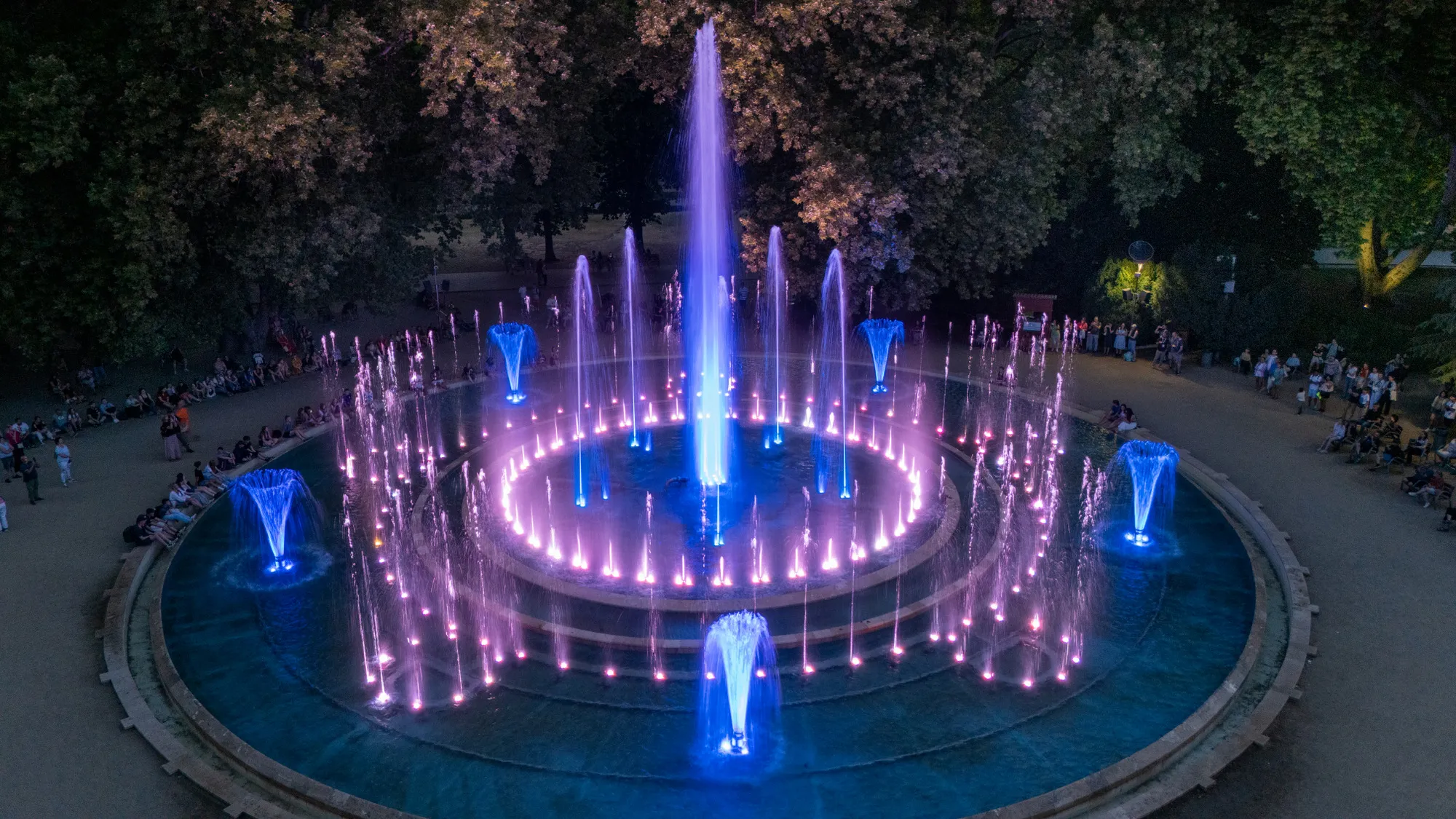
Budapest's riverfront becomes especially expressive during cultural festivals, summer events, and national celebrations. Light installations, open-air concerts, and thematic cruises can transform familiar quays into temporary stages where music, food, and city identity mix naturally. Even without a major event, evening on the Danube carries a ritual quality: people gather at embankments, photographers wait for blue hour, and terrace conversations continue long after sunset.
Countryside towns follow a gentler but equally meaningful pattern with seasonal fairs, local gastronomy days, and church-square festivities close to the water. For visitors, these moments are often the most memorable because they reveal living culture rather than curated display. A cruise timed around local events can feel less like sightseeing and more like joining the tempo of the place.
Tickets, cruise types, and smart planning
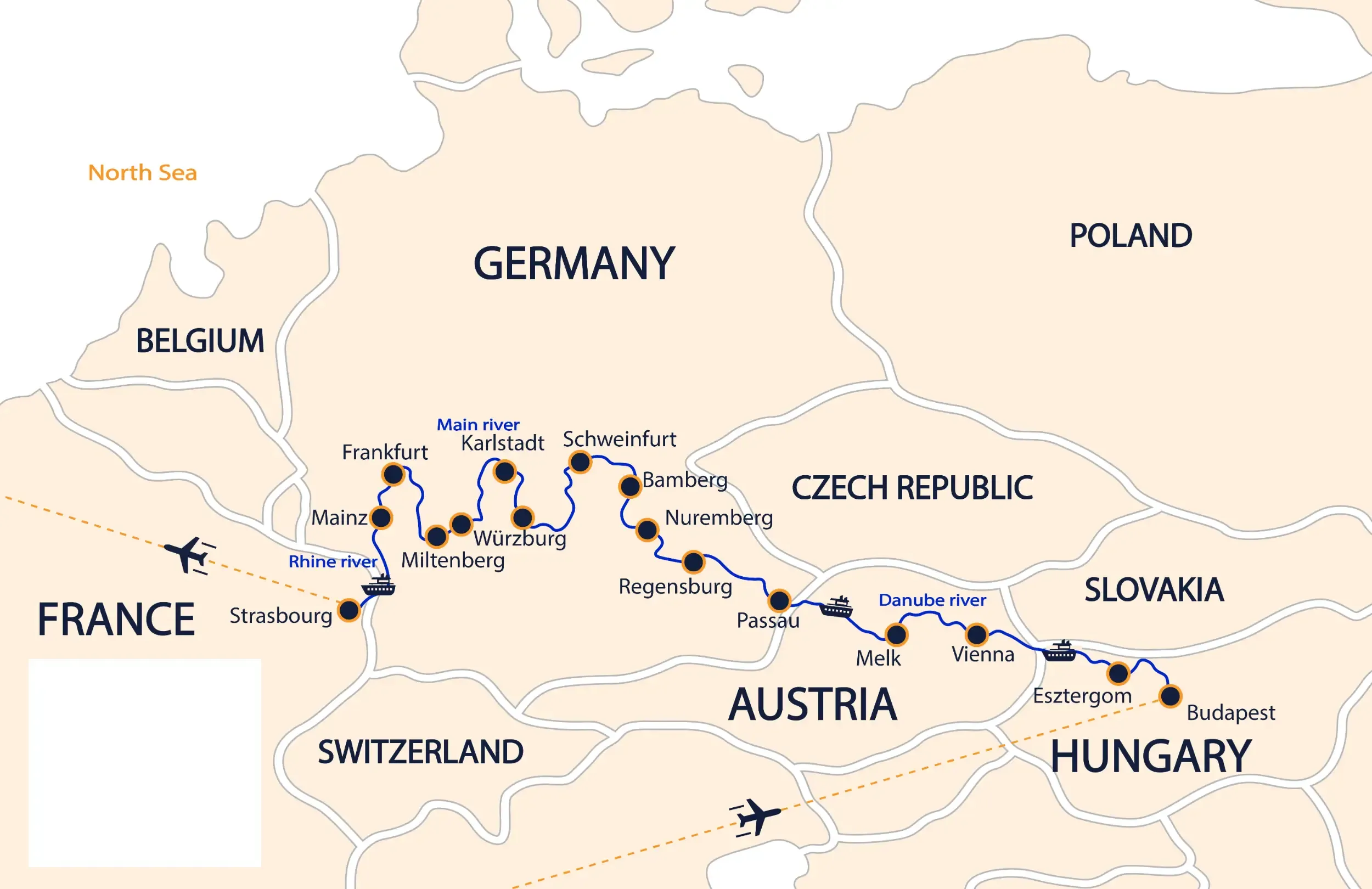
Choosing the right Danube cruise in Hungary is mostly about matching expectations with format. If your priority is photography and landmarks, a short daytime or sunset Budapest route may be perfect. If you value atmosphere, dinner and live-music departures offer a slower, more social evening. If you want depth beyond the capital, Danube Bend itineraries with stopovers are usually the best value in terms of cultural variety.
Read inclusions carefully before booking. Two cruises with similar names can differ significantly in boarding point, language support, seating type, drinks policy, and cancellation conditions. Also consider logistics after the cruise, especially for late departures. A little planning around timing, weather, and transfer options can turn a good itinerary into an excellent one.
Protecting heritage and river ecosystems
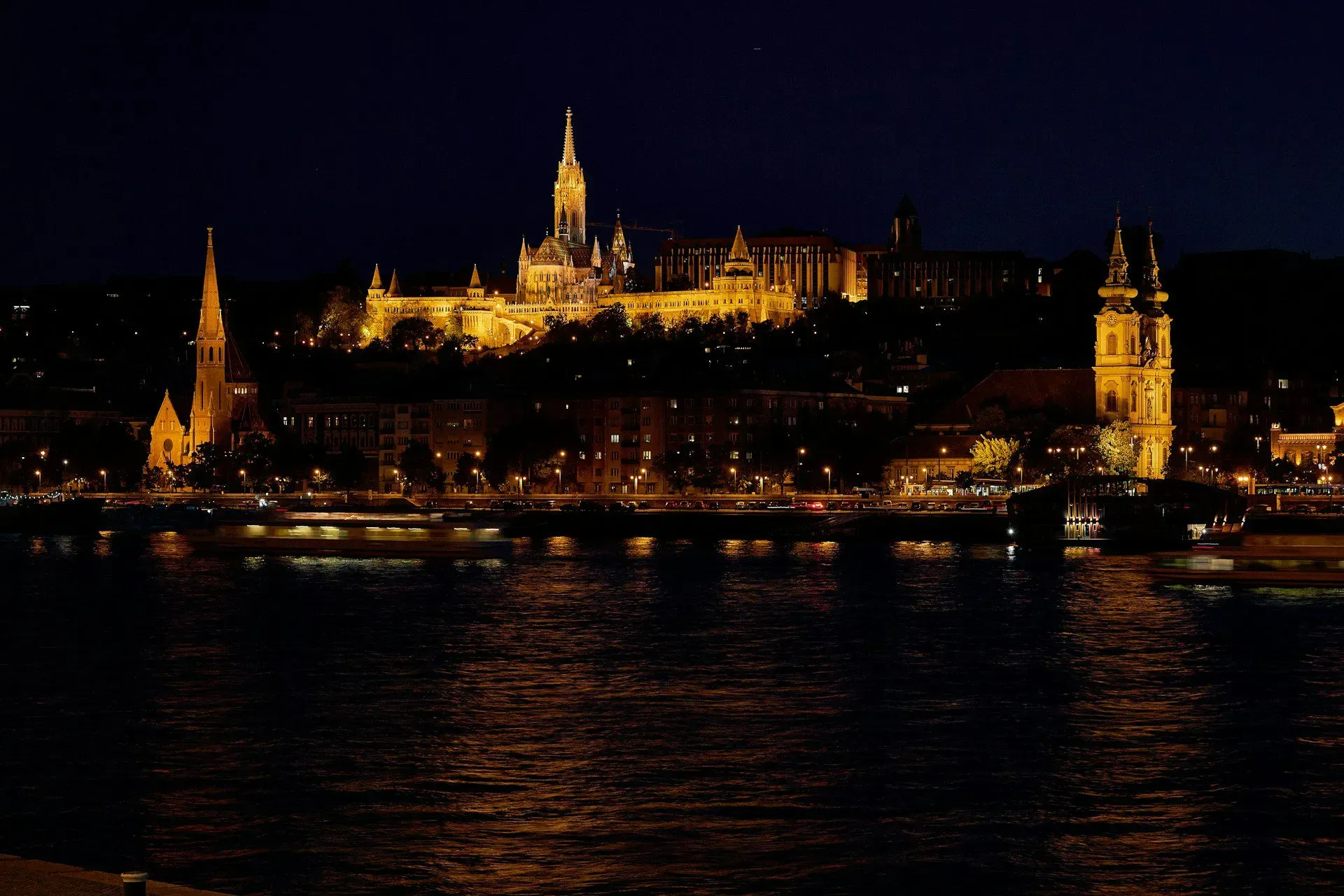
Heritage on the Danube is not only architectural. It includes river ecology, traditional waterfront uses, and intangible practices linked to fishing, craft, and seasonal life. Tourism brings economic benefit, but it also creates pressure on piers, historic districts, and sensitive natural areas if not managed responsibly. Many operators now adopt quieter technologies, waste-reduction policies, and clearer visitor guidance to reduce impact.
Visitors play a role too. Choosing responsible providers, respecting local quiet zones, and following simple onboard etiquette contributes to long-term preservation. The Danube's appeal comes from balance: monumentality and everyday life, culture and nature, movement and pause. Protecting that balance ensures future travelers can experience the same layered beauty rather than a simplified version of it.
Countryside detours and scenic viewpoints
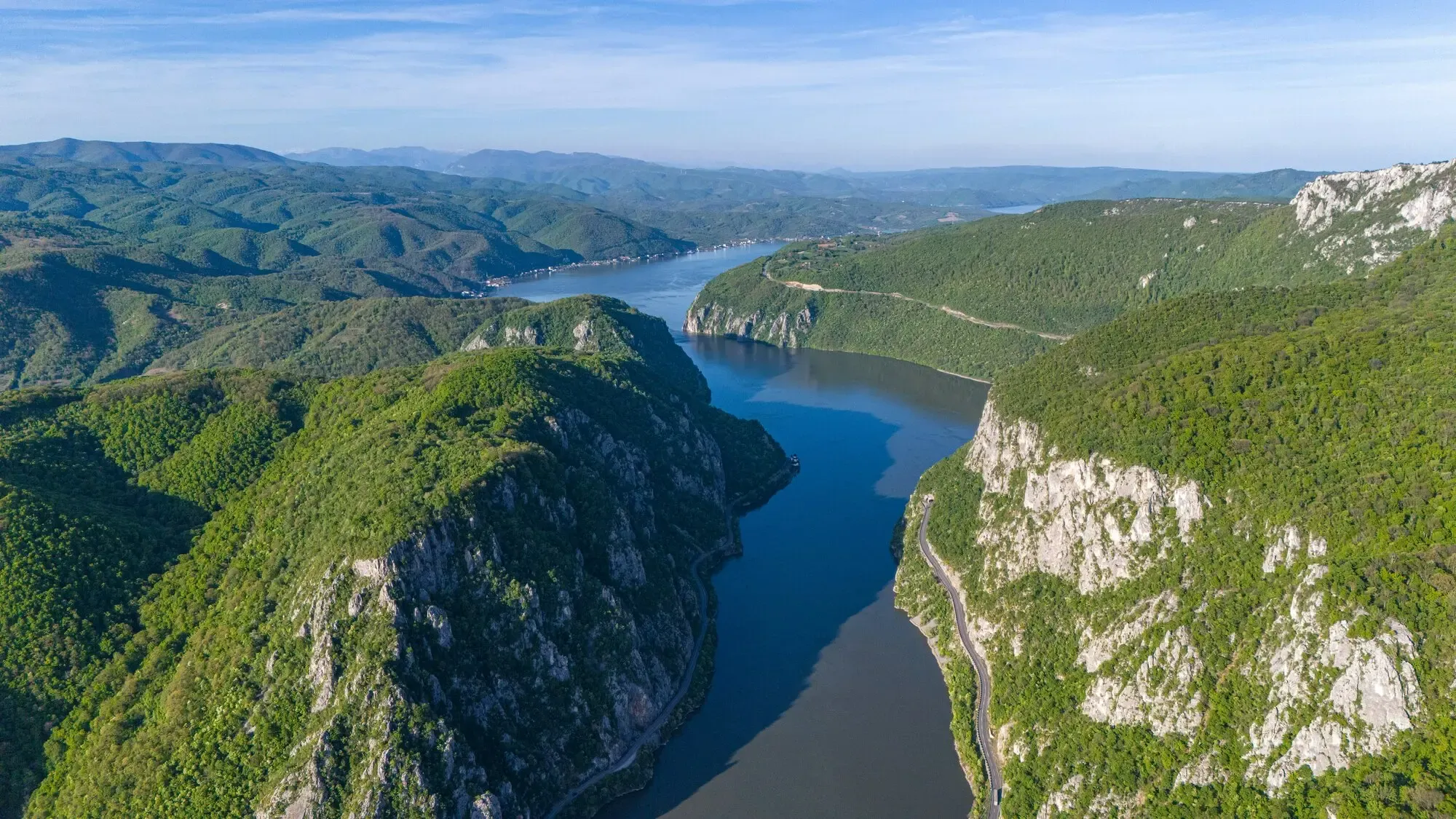
One of the best ways to enrich a Hungary cruise itinerary is to combine sailing with short land detours. In Szentendre, this might mean an hour through old streets and galleries. In Visegrad, it may be a climb or transfer to a fortress panorama. In Esztergom, many visitors pair the basilica interior with a riverside walk to appreciate both monumental scale and local daily rhythm.
These side trips add texture and context that pure transit cannot provide. You return to the boat with clearer orientation, deeper historical understanding, and often better photos from elevated points. If timing allows, this combination of deck perspective and on-foot exploration is one of the most rewarding ways to experience the Hungarian Danube.
Why the Danube tells Hungary's story
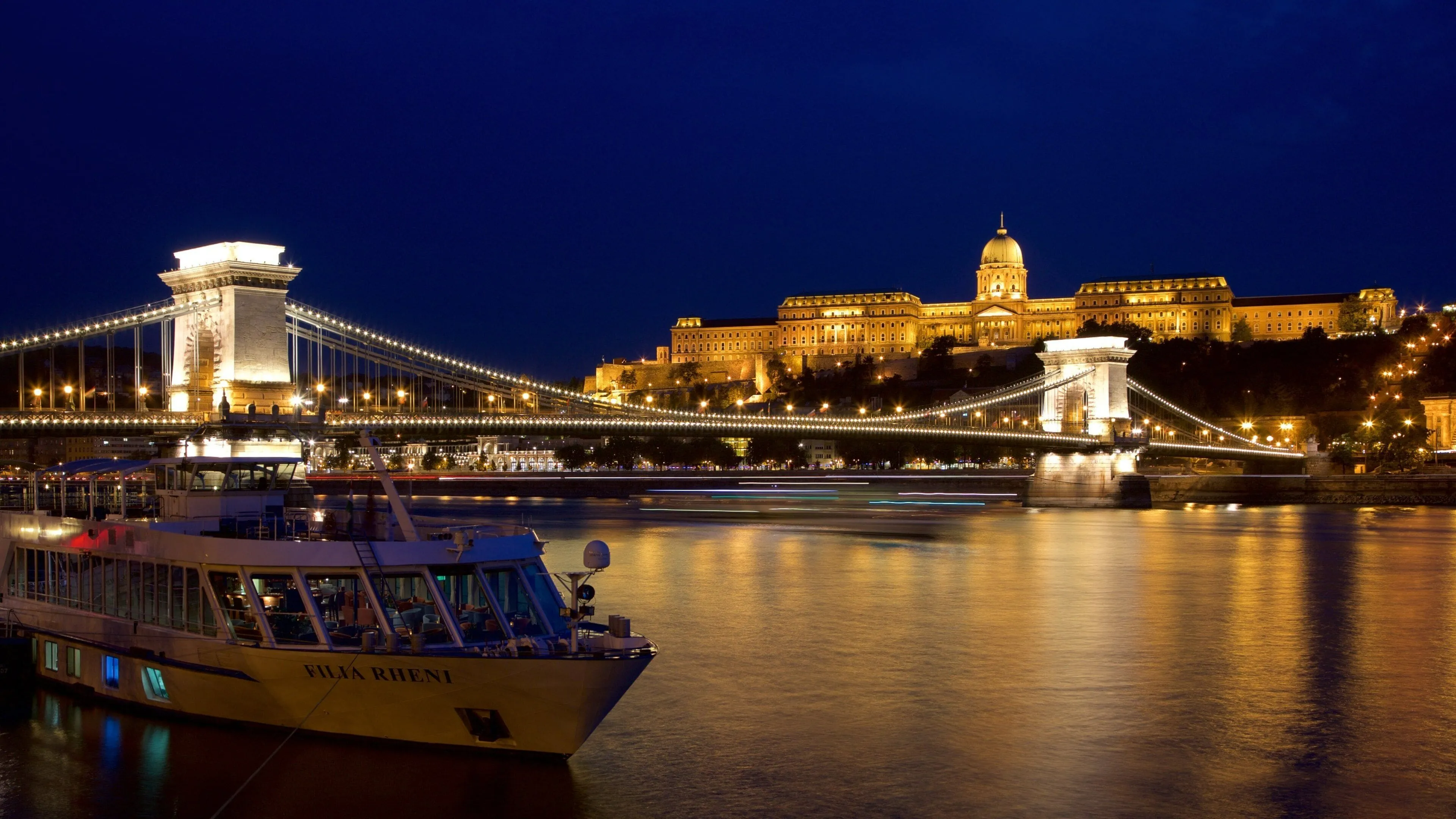
A Danube cruise may begin as a practical travel choice, but it quickly becomes something richer: a moving narrative about Hungary itself. From Parliament's ceremonial riverside statement to the quieter villages of the Danube Bend, the journey reveals how power, faith, trade, and ordinary life repeatedly reorganized around water. You see continuity and change side by side, sometimes within the same frame.
By the end of the route, the river no longer feels like background scenery. It feels like an active character in the country's past and present, shaping settlement patterns, cultural memory, and modern tourism alike. That is why so many travelers describe their cruise as more than sightseeing. It is a calm, vivid way to understand Hungary through the landscape that has connected its stories for centuries.
Table of Contents
From Roman frontier to Hungarian heartland
Long before modern cruise boats traced smooth lines through Budapest, the Danube was already a strategic frontier and a cultural highway. In Roman times, the river marked parts of the imperial border, known as the limes, with military outposts and settlements watching movement across the water. Centuries later, Magyar communities, medieval kingdoms, and trading guilds transformed the same corridor into a connective route linking farms, workshops, towns, and royal centers. What appears today as a peaceful sightseeing river was historically a place of defense, diplomacy, and commerce where identities were negotiated generation after generation.
As political maps shifted across Central Europe, the Danube remained a constant reference point in daily life. Grain, timber, stone, wine, and ideas moved on its current, while new languages and faith communities settled on its banks. By the early modern period, river transport and market exchange had become deeply embedded in local economies. This long continuity helps explain why cruising in Hungary feels layered: you are not simply looking at monuments from the deck, you are floating through a corridor that repeatedly shaped the country's social memory, economic survival, and cultural imagination.
Budapest and the river between Buda and Pest
Budapest exists because of the Danube, and from the water this relationship becomes obvious in minutes. On one bank, Pest stretches flatter and more administrative, with grand facades including the Parliament that seem designed to mirror in evening light. On the other bank, Buda rises in terraces toward Castle Hill, church spires, and residential quarters that reveal older topography. The bridges between them are not merely transport links; they are visual punctuation marks that define the city's rhythm. The Chain Bridge, in particular, is both engineering symbol and emotional landmark, connecting narratives of modernization, resilience, and national pride.
During a cruise, these elements appear as a coherent panorama rather than separate attractions. You notice how embankments were reshaped in the nineteenth century, how tram lines hug the river's edge, and how postwar reconstruction still coexists with imperial-era ambition. The shift from daylight to dusk adds another chapter: architectural details soften, bridge lighting turns theatrical, and the city feels both monumental and intimate. It is one reason Budapest night cruises are so popular, but even daytime reveals fascinating contrasts in texture, scale, and urban intent.
Trade, craft, and market life on the water
For centuries, river proximity meant economic opportunity. Wharves, warehouses, and market routes developed around predictable loading points, while seasonal water levels influenced everything from pricing to transport timing. Merchants tracked currents as carefully as calendars, and local producers relied on river movement to reach distant buyers. In Budapest, large market halls and river-adjacent boulevards still echo this legacy, even when their function has shifted from bulk trade to civic life, tourism, and gastronomy.
A modern cruise quietly restores that historic perspective. Instead of seeing isolated landmarks, you observe how neighborhoods align with former exchange zones, how bridges enabled distribution networks, and how waterfronts adapted from labor-intensive logistics to mixed cultural use. This continuity is one of the Danube's most interesting facts: the infrastructure changes, the cargo changes, the people and languages change, but the river remains a practical organizer of everyday urban life.
The Danube Bend: Szentendre, Visegrad, Esztergom
North of Budapest, the Danube curves into one of Hungary's most scenic regions, commonly known as the Danube Bend. Szentendre introduces a softer, artistic tone with baroque lanes, church towers, and galleries that blend local craft traditions with contemporary creativity. Visegrad, perched above dramatic slopes, recalls medieval political importance and royal ambition, while Esztergom dominates the skyline with its massive basilica, visible from far downriver as a clear symbol of historical and spiritual authority.
Cruising this section feels slower and more contemplative than central Budapest routes. Hills close in, forests frame the water, and settlements appear as distinct episodes along the current. Many visitors describe this part as the moment they understand Hungary beyond the capital: less ceremonial, more textured, and deeply tied to geography. If your itinerary includes stopovers, each town reveals a different face of the region, from artisan streets and riverside cafes to fortress viewpoints and monumental religious architecture.
Kings, fortresses, and imperial legacies
The Danube's strategic value made it a stage for dynastic ambition and military contest. Medieval Hungarian rulers used river-adjacent strongholds to secure movement, levy control, and project authority. Visegrad's citadel and neighboring castle complexes were not decorative additions to the landscape; they were functional instruments in a world where river navigation shaped diplomacy and conflict. Later imperial periods layered new administrative priorities onto older foundations, creating a patchwork of inherited institutions, reconstructed monuments, and shifting territorial narratives.
On a cruise, these historical layers become easier to read because perspective matters. From hilltops on land, you see isolated sites. From the river, you understand their logic as part of a chain of visibility, control, and communication. Even ruins start to make sense in relation to crossing points, natural bottlenecks, and fertile floodplains. One of the most compelling facts for history-minded visitors is that many present-day viewpoints were once tactical positions first and scenic locations only much later.
Modern river life: transport, tourism, and culture
Today's Danube in Hungary is a multifunctional space where daily commuting, international shipping, leisure boating, and tourism coexist. In Budapest, riverbanks host joggers at dawn, commuters by tram, festival crowds on weekends, and cruise passengers throughout the day. This overlap gives the waterfront an energetic but authentic character: it is not an isolated attraction zone, but an active urban corridor where residents and visitors share the same edge of the city.
Cruise operators have adapted to modern expectations with varied formats, from short commentary-based routes to dining experiences with live music. At the same time, city planning increasingly balances commercial activity with public access and heritage protection. The result is dynamic and sometimes imperfect, but undeniably alive. Watching this from onboard offers a nuanced picture of contemporary Hungary, where tradition is visible, but never frozen.
Nature, islands, and seasonal rhythms
The river's mood changes strongly with the seasons, and that rhythm affects both scenery and cruise experience. Spring often brings fresh green banks and stronger currents. Summer adds long daylight and lively decks, though midday heat can be intense. Autumn delivers clear air and warm colors in the Danube Bend, while winter creates quieter panoramas with softer traffic and a more intimate atmosphere on shorter city routes.
Within Budapest, islands and embankment parks provide ecological breathing space in a dense capital. Beyond the city, floodplains and wooded slopes support birdlife and seasonal biodiversity that many visitors do not expect from a major European river corridor. If you enjoy nature as much as architecture, planning around month and light can completely change your impression of the same route.
Crowds, safety, and accessibility on cruises
Hungary's Danube cruises are generally straightforward and visitor-friendly, but a few practical habits make the day smoother. Arrive early, confirm pier number, and keep your booking details easily available. On busy evenings, boarding lines can form quickly, and central quays may have several boats loading at once. Personal safety is usually simple common sense: use handrails on gangways, watch your step on wet surfaces, and secure phones and cameras on upper decks.
Accessibility varies more than first-time visitors expect, especially because vessel fleets and pier infrastructure are not uniform. Some operators provide excellent support and step-free options; others work with legacy conditions that include stairs or uneven boarding angles. Families with strollers, travelers with reduced mobility, and elderly guests should request specific vessel information ahead of time. Asking one clear question before booking often avoids stress on departure day.
Festivals and evening traditions by the river
Budapest's riverfront becomes especially expressive during cultural festivals, summer events, and national celebrations. Light installations, open-air concerts, and thematic cruises can transform familiar quays into temporary stages where music, food, and city identity mix naturally. Even without a major event, evening on the Danube carries a ritual quality: people gather at embankments, photographers wait for blue hour, and terrace conversations continue long after sunset.
Countryside towns follow a gentler but equally meaningful pattern with seasonal fairs, local gastronomy days, and church-square festivities close to the water. For visitors, these moments are often the most memorable because they reveal living culture rather than curated display. A cruise timed around local events can feel less like sightseeing and more like joining the tempo of the place.
Tickets, cruise types, and smart planning
Choosing the right Danube cruise in Hungary is mostly about matching expectations with format. If your priority is photography and landmarks, a short daytime or sunset Budapest route may be perfect. If you value atmosphere, dinner and live-music departures offer a slower, more social evening. If you want depth beyond the capital, Danube Bend itineraries with stopovers are usually the best value in terms of cultural variety.
Read inclusions carefully before booking. Two cruises with similar names can differ significantly in boarding point, language support, seating type, drinks policy, and cancellation conditions. Also consider logistics after the cruise, especially for late departures. A little planning around timing, weather, and transfer options can turn a good itinerary into an excellent one.
Protecting heritage and river ecosystems
Heritage on the Danube is not only architectural. It includes river ecology, traditional waterfront uses, and intangible practices linked to fishing, craft, and seasonal life. Tourism brings economic benefit, but it also creates pressure on piers, historic districts, and sensitive natural areas if not managed responsibly. Many operators now adopt quieter technologies, waste-reduction policies, and clearer visitor guidance to reduce impact.
Visitors play a role too. Choosing responsible providers, respecting local quiet zones, and following simple onboard etiquette contributes to long-term preservation. The Danube's appeal comes from balance: monumentality and everyday life, culture and nature, movement and pause. Protecting that balance ensures future travelers can experience the same layered beauty rather than a simplified version of it.
Countryside detours and scenic viewpoints
One of the best ways to enrich a Hungary cruise itinerary is to combine sailing with short land detours. In Szentendre, this might mean an hour through old streets and galleries. In Visegrad, it may be a climb or transfer to a fortress panorama. In Esztergom, many visitors pair the basilica interior with a riverside walk to appreciate both monumental scale and local daily rhythm.
These side trips add texture and context that pure transit cannot provide. You return to the boat with clearer orientation, deeper historical understanding, and often better photos from elevated points. If timing allows, this combination of deck perspective and on-foot exploration is one of the most rewarding ways to experience the Hungarian Danube.
Why the Danube tells Hungary's story
A Danube cruise may begin as a practical travel choice, but it quickly becomes something richer: a moving narrative about Hungary itself. From Parliament's ceremonial riverside statement to the quieter villages of the Danube Bend, the journey reveals how power, faith, trade, and ordinary life repeatedly reorganized around water. You see continuity and change side by side, sometimes within the same frame.
By the end of the route, the river no longer feels like background scenery. It feels like an active character in the country's past and present, shaping settlement patterns, cultural memory, and modern tourism alike. That is why so many travelers describe their cruise as more than sightseeing. It is a calm, vivid way to understand Hungary through the landscape that has connected its stories for centuries.